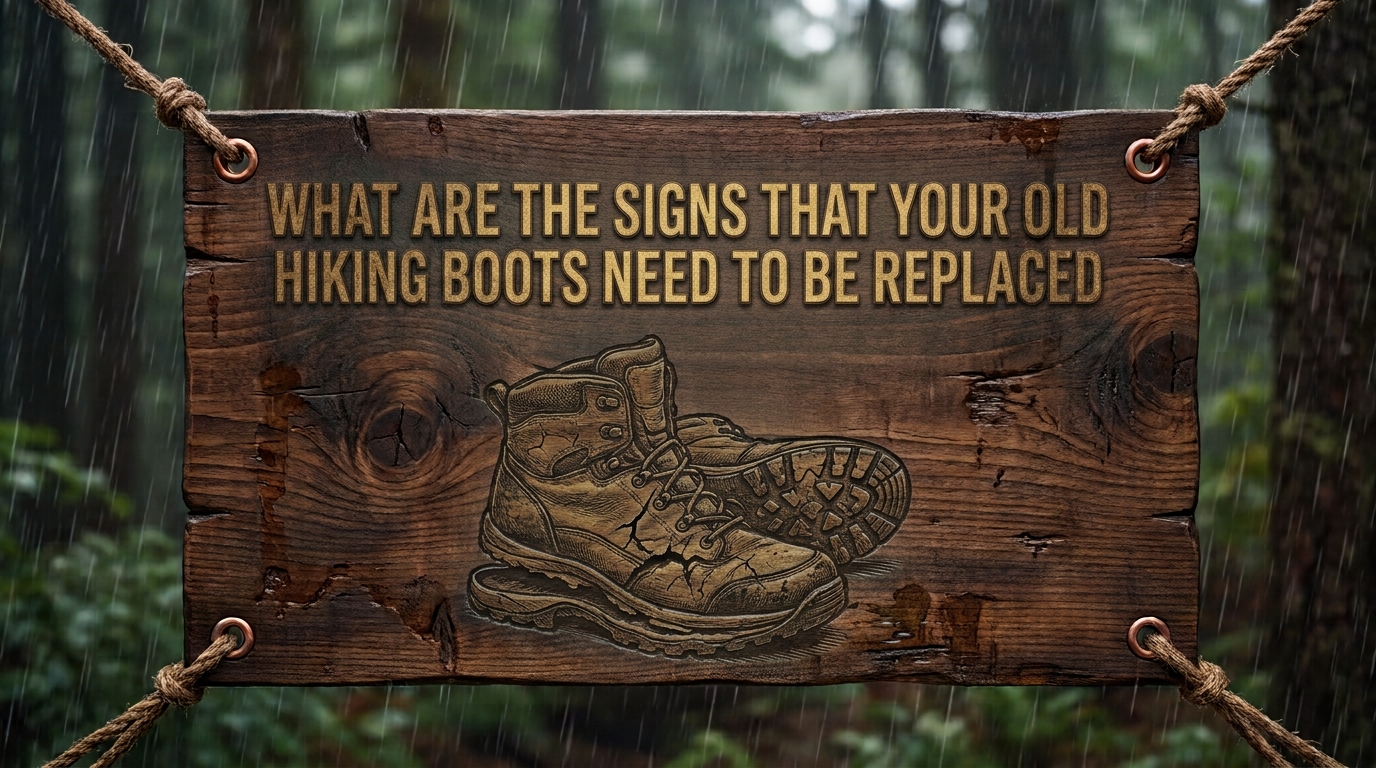
There is a sentimental bond that forms between a hiker and their boots. Every scuff on the leather, every speck of baked-on red mud, and every crease across the toe box tells the story of a memorable summit, a grueling descent, or a rain-drenched valley crossing. Your boots have carried you thousands of vertical feet across unforgiving landscapes, molding organically to the exact contours of your feet.
However, footwear is fundamentally a piece of high-performance safety equipment, not a permanent heirloom. Over time, miles of mechanical stress, ultraviolet exposure, moisture cycling, and foam compression quietly destroy the structural integrity of your boots long before the upper material completely falls apart.
Stepping onto rugged backcountry terrain in worn-out boots is a recipe for severe foot fatigue, sudden sole delamination, agonizing blisters, and preventable sprains.
Welcome to the ultimate gear-retirement guide crafted for nyattitude.com. Below is an exhaustive breakdown of the definitive physical signs indicating it is time to retire your old hiking boots and invest in a fresh pair.
The Anatomy of Boot Decay: Why Footwear Fails
To know when to replace your boots, you must understand how they degrade. A hiking boot is a complex sandwich of distinct materials:
- The Outsole: Rubber compound tread that grips stone and mud.
- The Midsole: EVA (ethylene-vinyl acetate) or polyurethane (PU) foam responsible for shock absorption and spring.
- The Shank/Chassis: Rigid plastic or nylon plates that provide torsional stability under heavy loads.
- The Upper: Leather or synthetic mesh that holds your foot in place and blocks external water.
While a conditioned leather upper can easily look pristine for a decade, the invisible layers hidden beneath your feet—the midsole foam and internal glues—degrade relentlessly with every step and seasonal temperature swing.
7 Major Signs It’s Time to Replace Your Hiking Boots
1. The Midsole Foam is “Dead” and Compressed
This is the single most common reason to retire a pair of boots, yet it is the hardest to spot visually.
- The Physics: Every time your foot strikes the trail, the midsole foam compresses to absorb the impact. Over 500 miles, millions of impact cycles crush the gas bubbles trapped inside EVA foam.
- The Symptom: If your boots feel unusually harsh and unforgiving, or if your feet, knees, and lower back ache after shorter hikes than usual, your midsoles have bottomed out. Press your thumb firmly into the heel midsole; if the foam feels rigid like a rock or leaves a permanent thumb indentation without bouncing back, the cushioning is completely dead.
2. Smooth, Bald, or Torn Outsole Lugs
Your outsoles are your direct connection to the Earth. Deep, aggressive multi-directional lugs are essential for biting into loose dirt, mud, and organic debris.
- The Symptom: Flip your boots over. If the heel and forefoot lugs have worn down flat, or if sections of the rubber tread are peeling away from the base, your friction coefficient on steep inclines drops to zero. Walking on wet rock or loose gravel becomes a hazardous sliding risk.
3. Structural Delamination (Sole Separation)
Modern boots rely heavily on industrial-grade adhesives to bond the rubber outsole to the foam midsole and upper.
- The Symptom: Check the toe box, heel, and side arches for gaps where the rubber is pulling away from the fabric or leather. If you can slide a fingernail, a twig, or a coin into a separating seam, your boots are suffering from delamination. While minor gaps can sometimes be repaired with specialized urethane adhesive (like Shoe Goo), widespread separation means the chemical bonds have failed completely.
4. Chronic Interior Hot Spots and Heel Slip
A well-broken-in boot should feel like an old friend—supportive, stable, and secure. However, a worn-out boot loses its internal structural memory.
- The Symptom: If your heel begins sliding up and down despite using your favorite hiking socks and lacing tricks, the internal heel counter has warped or crushed. Once the internal structural cups break down, friction increases dramatically, causing persistent blisters where you never used to experience them.
5. Persistent Moisture Leaks Despite Waterproof Maintenance
If you own waterproof boots (featuring GORE-TEX, outdry, or proprietary membranes) and you treat them regularly with waterproofing sprays or waxes, they should keep your feet dry in shallow puddles and light rain.
- The Symptom: If your feet consistently turn damp during dewy morning hikes despite clean, conditioned uppers, the internal waterproof membrane has physically cracked or micro-punctured due to constant flexing in the forefoot flex zone.
6. Compromised Upper Stitching and Fabric Tears
While minor cosmetic scuffs on leather uppers are completely harmless, structural damage is a different story.
- The Symptom: Inspect the high-flex zones across the top of your forefoot and around the ankle collar. If primary stitching lines have frayed open, or if synthetic mesh panels are tearing away from structural overlay bands, the boot can no longer lock your foot securely over uneven terrain, vastly increasing your risk of an ankle roll.
7. Persistent Foot and Joint Pain After Short Hikes
Sometimes the best indicator of failing gear isn’t found on the boot itself—it’s felt inside your body.
- The Symptom: If you finish a routine 5-mile day hike with deep bone bruising in your heels, shooting pain in your arches (plantar fasciitis flare-ups), or extreme fatigue in your lower calves, your boots have lost their torsional rigidity and shock absorption. Your lower body is working overtime to compensate for failing footwear architecture.
Comprehensive Comparison Table: Good Condition vs. Retirement Time
| Boot Component | Healthy, Functional Condition | Definite Sign for Retirement |
| Outsole Lugs | Deep, sharp edges with 70%+ original depth. | Worn completely smooth, bald spots, or chunks missing. |
| Midsole Foam | Springy, firm, and resilient under thumb pressure. | Permanently compressed, hard, brittle, or completely dead. |
| Seams & Bonding | Solid, flush adhesion between rubber and upper. | Gapping, peeling rubber, or visible glue failure (delamination). |
| Internal Heel Counter | Stiff, rigid pocket that locks the heel in place. | Collapsed, soft, floppy, or causing continuous heel-slip blisters. |
| Waterproofing | Repels water cleanly across wet vegetation. | Instantly saturates and leaks moisture through cracked internal liners. |
| Mileage Benchmark | Under 500 miles of rugged trail use. | Exceeding 500 to 1,000 miles of heavy backpacking loads. |
Pro Tips for Maximizing Footwear Lifespan
You can delay the inevitable replacement cycle and protect your investment by following a few simple maintenance habits:
- Wash Mud and Grit Regularly: Dried mud and microscopic grit act like sandpaper, wearing down fabric fibers and clogging breathable pores. Wash your boots after every muddy trek with lukewarm water and a soft brush.
- Store at Stable Room Temperatures: Never store your boots in hot car trunks, damp cellars, or next to direct home heating vents. Extreme heat melts midsole adhesives and bakes natural leather until it cracks, while dampness encourages mold rot.
- Rotate Your Pairs: If you are a high-mileage trekker, alternating between two pairs of boots allows the compressed EVA foam midsole a full 24 to 48 hours to decompress and spring back to its original volume between hikes.
Frequently Asked Questions (FAQ)
1. How many miles do hiking boots typically last?
On average, high-quality hiking boots last between 500 to 1,000 miles, or roughly 3 to 5 seasons of regular recreational use. Ultralight mesh trail shoes may wear out closer to 350 to 500 miles, while premium full-grain leather boots can last much longer if resoled.
2. Can old hiking boots be repaired by a cobbler?
Traditional welted full-grain leather boots with stitched soles can easily be resoled by a professional cobbler once the rubber wears down. However, modern cemented synthetic hiking boots with degraded EVA foam midsoles generally cannot be effectively repaired.
3. Why do my boots fall apart in my closet even when I don’t wear them?
This is caused by a chemical process called hydrolysis. Moisture in the air slowly breaks down the polyurethane bonds in midsole foam over time (often 4 to 6 years), causing the soles to crumble or detach spontaneously even if the boots sat unworn in a box.
4. Is it safe to glue separating boot soles back together with Super Glue?
No. Standard household Super Glue dries rigid and brittle, shattering the moment the boot flexes on a rock. Always use flexible, high-strength urethane adhesives like Shoe Goo or Barge All-Purpose Cement for emergency backcountry repairs.
5. How can I tell if my midsoles are dead if the outside of the boot looks fine?
Perform the thumb-depression test on the heel midsole, or evaluate how your joints feel. If your feet ache and feel bruised after a short walk in boots that used to feel plush, the internal foam has lost its cushioning memory.
6. Can worn-out boots cause plantar fasciitis?
Yes. When midsole foam collapses, it stops supporting your natural arch structure. This forces the plantar fascia ligament to stretch excessively under your body weight, often triggering severe arch pain and inflammation.
7. Do heavier backpacking packs destroy boots faster?
Yes. Carrying a pack weighing over fifty pounds drastically increases the downward compression force on your boot midsoles and accelerates rubber tread wear compared to lightweight day hiking.
8. What is the difference between replacing hiking boots vs. replacing insoles?
If your boots feel uncomfortable because the stock foam footbed is worn out, replacing the removable insole with an aftermarket insert (like Superfeet) can revive them. However, if the structural midsole foam or outsole is dead, new insoles will not fix the problem.
9. Should I try to “break in” old boots that have stiffened up in storage?
If leather boots have stiffened because they dried out, you can often restore them with a deep conditioning treatment (like Nikwax or mink oil). However, if the synthetic materials have degraded or aged past their chemical lifespan, they cannot be revived.
10. What is the biggest danger of hiking in worn-out boots?
Aside from foot pain and blisters, worn-out outsoles and collapsed ankle counters vastly increase your risk of unexpected slips on wet rock and severe lateral ankle sprains in remote backcountry terrain.
Conclusion
Your hiking boots are the most critical piece of equipment in your outdoor arsenal. While it is tempting to squeeze “just one more season” out of an old, comfortable pair, ignoring the silent breakdown of midsole foam, worn-out rubber lugs, and structural delamination invites pain, injury, and ruined trips. By inspecting your footwear regularly against these key warning signs, you ensure that every step you take on the trail remains safe, stable, and deeply enjoyable.
Inspect your gear, retire your tired footwear with gratitude for the miles shared, and step into your next adventure with absolute confidence!
Leave a Reply